Living in an urban area doesn’t mean you have to give up on your gardening dreams. With a bit of creativity and the right techniques, you can transform even the smallest spaces into lush, green sanctuaries. Here are some tips to help you create a thriving urban garden, no matter how limited your space.
1. Maximize Vertical Space
When horizontal space is at a premium, think vertically. Use trellises, wall-mounted planters, and vertical gardens to grow a variety of plants. Climbing plants like ivy, jasmine, and even some vegetables can thrive in vertical setups, adding greenery without taking up much ground space.
2. Choose the Right Containers
Container gardening is perfect for urban spaces. Choose pots and containers that fit your style and space. Ensure they have good drainage to prevent waterlogging. Coolplants Nursery offers a wide selection of eco-friendly containers to suit any urban garden.
3. Select Compact and Dwarf Varieties
Opt for compact and dwarf plant varieties that are designed for small spaces. These plants take up less room but still offer beautiful blooms and foliage. Herbs, salad greens, and dwarf fruit trees are excellent choices for urban gardens.
4. Utilize Windowsills and Balconies
Don’t overlook windowsills and balconies as potential gardening spots. These areas often get good sunlight and can support a variety of plants. Use window boxes for herbs and flowers, and create a cozy balcony garden with potted plants and hanging baskets.
5. Incorporate Edible Plants
Grow your own food even in small spaces by incorporating edible plants. Herbs, lettuce, tomatoes, and peppers can thrive in containers and vertical gardens. Growing your own food is rewarding and adds a touch of sustainability to your urban garden.
6. Create a Micro-Garden
Micro-gardening focuses on maximizing small spaces with intensive planting. Use raised beds, tiered planters, and intercropping techniques to make the most of your available area. Micro-gardens can be highly productive and visually appealing.
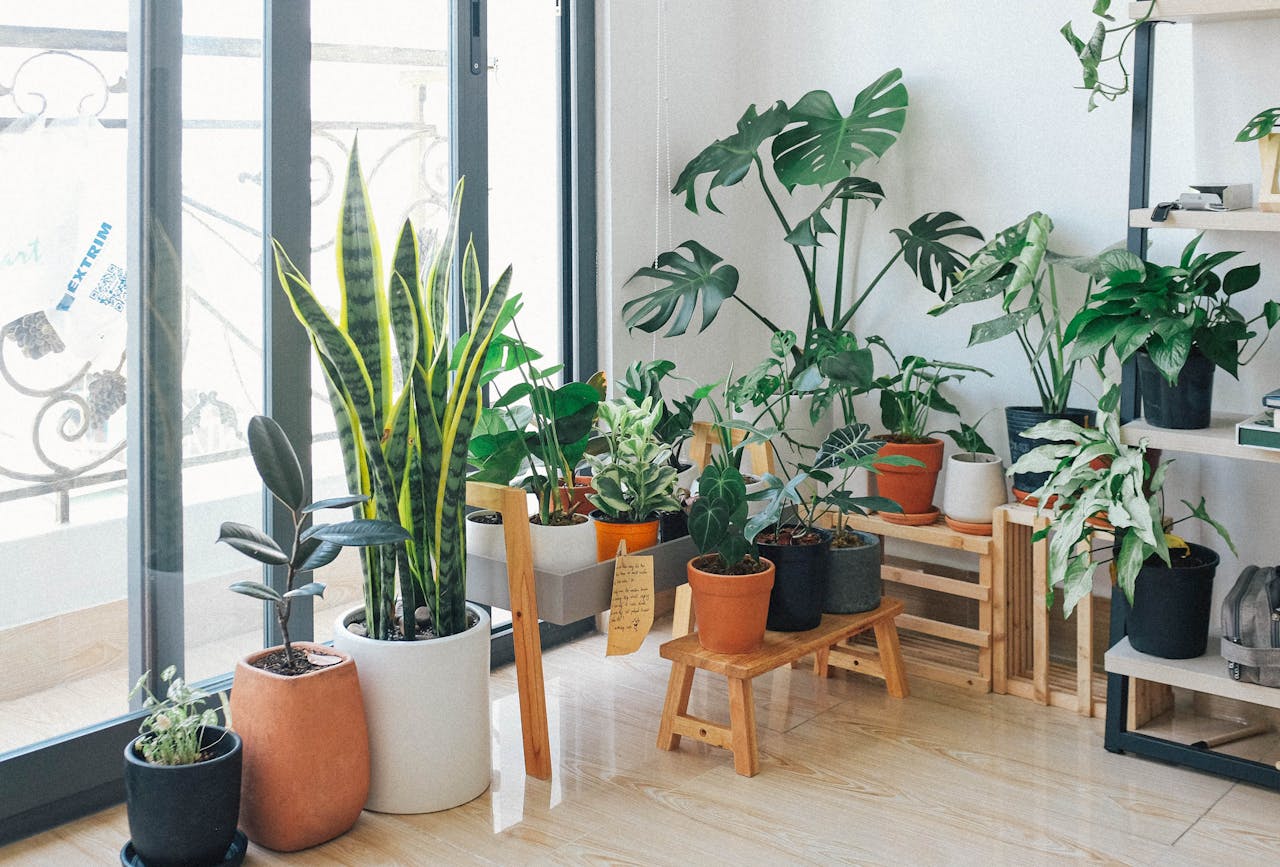
7. Make Use of Indoor Spaces
Indoor gardening is another great option for urban dwellers. Use grow lights and hydroponic systems to cultivate plants inside your home. Houseplants like ferns, pothos, and succulents can thrive indoors, adding greenery and improving air quality.
8. Focus on Soil Health
Healthy soil is crucial for any garden. Use high-quality, organic potting soil and amend it with compost to provide your plants with the nutrients they need. Visit our nursery in Johannesburg North for the best soil and compost options tailored for urban gardening.
9. Implement Water-Wise Practices
Urban gardens often have limited access to water. Implement water-wise practices such as using self-watering containers, collecting rainwater, and mulching to retain soil moisture. Efficient watering ensures your plants stay healthy and reduces water waste.
10. Join a Community Garden
If space at home is extremely limited, consider joining a community garden. These gardens provide plots for individuals to grow their own plants and foster a sense of community. It’s a great way to gain gardening experience and meet fellow plant enthusiasts.
Conclusion
Urban gardening is all about creativity and making the most of the space you have. With these tips, you can create a lush, productive garden in even the smallest urban environments. Visit Coolplants Nursery in Johannesburg North for all your urban gardening needs and expert advice.
Enjoyed these tips? Visit our blog regularly for more insights on urban gardening, and don’t forget to stop by COOLPLANTS NURSERY for all your gardening supplies and inspiration!