Companion planting is an age-old gardening technique that involves growing different plants together to enhance growth, deter pests, and improve yields. This harmonious method not only boosts the health of your garden but also makes it more productive and sustainable. Here are some insights into the benefits of companion planting and how you can incorporate it into your garden.
1. Natural Pest Control
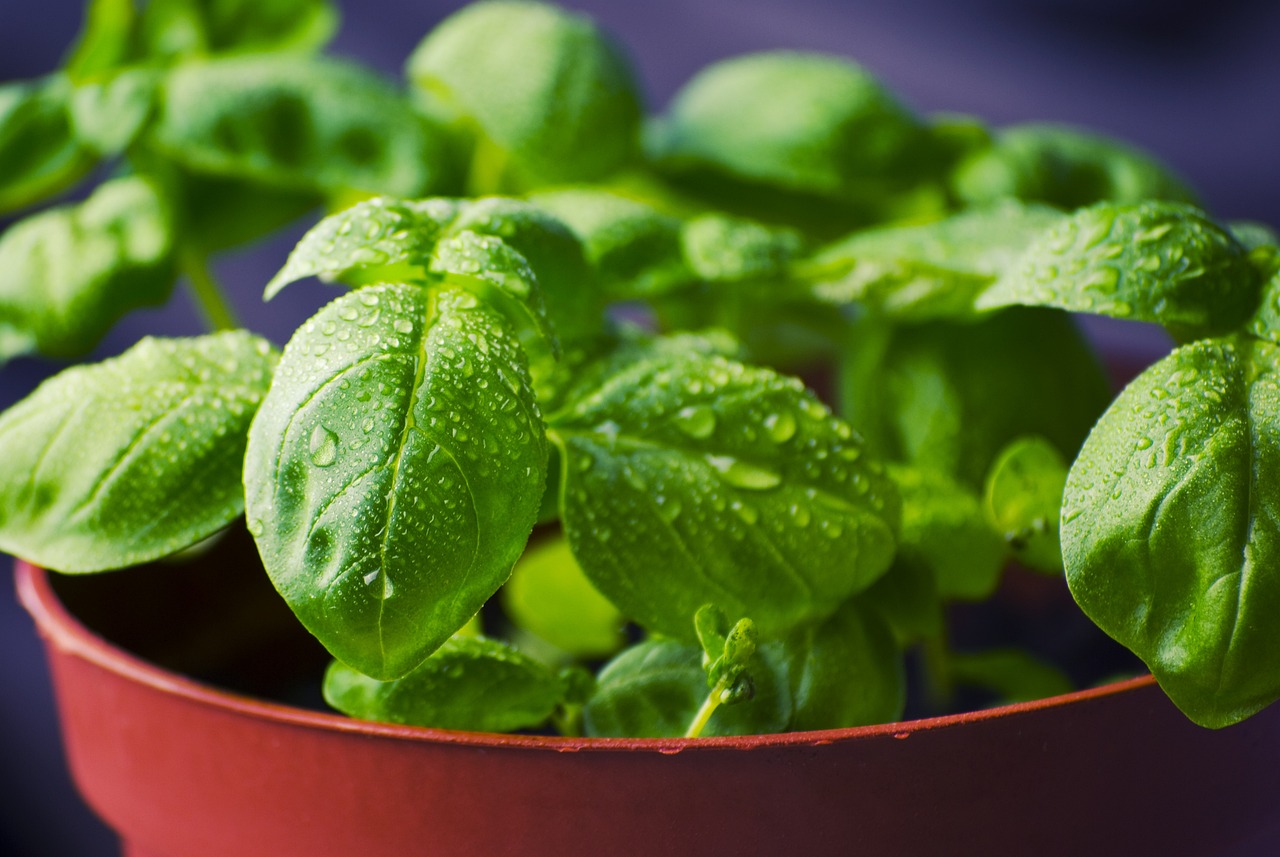
One of the primary benefits of companion planting is natural pest control. Certain plants can repel harmful insects, reducing the need for chemical pesticides. For example, marigolds deter nematodes, while basil can repel aphids and mosquitoes. Planting these around your vegetables can protect them from common pests.
2. Improved Plant Health
Some plants enhance the growth and health of their neighbors by releasing beneficial chemicals or by attracting helpful insects. For instance, beans and peas can fix nitrogen in the soil, benefiting nitrogen-loving plants like tomatoes and corn. Incorporating legumes into your garden can naturally enrich the soil.
3. Maximized Space
Companion planting allows you to make the most of your garden space. By pairing plants that have different growth habits, you can maximize your garden’s productivity. For example, tall plants like sunflowers can provide shade for heat-sensitive plants like lettuce, creating a more efficient use of space.
4. Enhanced Pollination
Attracting pollinators is crucial for a productive garden. Flowers like lavender, bee balm, and daisies can draw bees, butterflies, and other pollinators to your garden. Planting these near your fruits and vegetables can boost pollination and lead to higher yields.
5. Soil Improvement
Certain companion plants can improve soil health by adding nutrients or improving soil structure. Deep-rooted plants like carrots can break up compacted soil, while others, like clover, can add organic matter as they decompose. This can lead to healthier, more fertile soil over time.
6. Weed Suppression
Companion planting can also help suppress weeds. Ground-covering plants like clover or sweet alyssum can create a dense mat that prevents weeds from taking root. This reduces the need for manual weeding and helps maintain a neat and tidy garden.
7. Better Flavor
Believe it or not, some companion plants can enhance the flavor of fruits and vegetables. Basil planted near tomatoes is said to improve the flavor of both. Similarly, herbs like rosemary and thyme can enhance the taste of nearby vegetables.
8. Diverse Harvests
Companion planting allows for a more diverse harvest from a single space. By growing plants that mature at different times, you can enjoy a continuous supply of fresh produce. For example, radishes and carrots can be planted together, with radishes maturing much faster, giving you a quick harvest while the carrots continue to grow.
9. Attract Beneficial Insects
Beneficial insects, like ladybugs and predatory beetles, can help control pest populations. Plants like dill, fennel, and yarrow attract these helpful insects. Including these in your garden can create a balanced ecosystem where beneficial insects keep pests in check.
10. Create a Beautiful Garden
Companion planting can also enhance the visual appeal of your garden. Combining plants with different colors, textures, and heights can create a vibrant, diverse garden that is pleasing to the eye. A well-designed companion planting scheme can make your garden look as good as it performs.
Conclusion
Companion planting is a powerful tool that can transform your garden into a thriving, healthy, and beautiful space. By understanding the relationships between plants and how they can support each other, you can create a more productive and sustainable garden. Visit Coolplants Nursery in Johannesburg North for all your companion planting needs and expert advice.
“Enjoyed these tips? Visit our blog regularly for more insights on companion planting, and don’t forget to stop by COOLPLANTS NURSERY for all your gardening supplies and inspiration!”