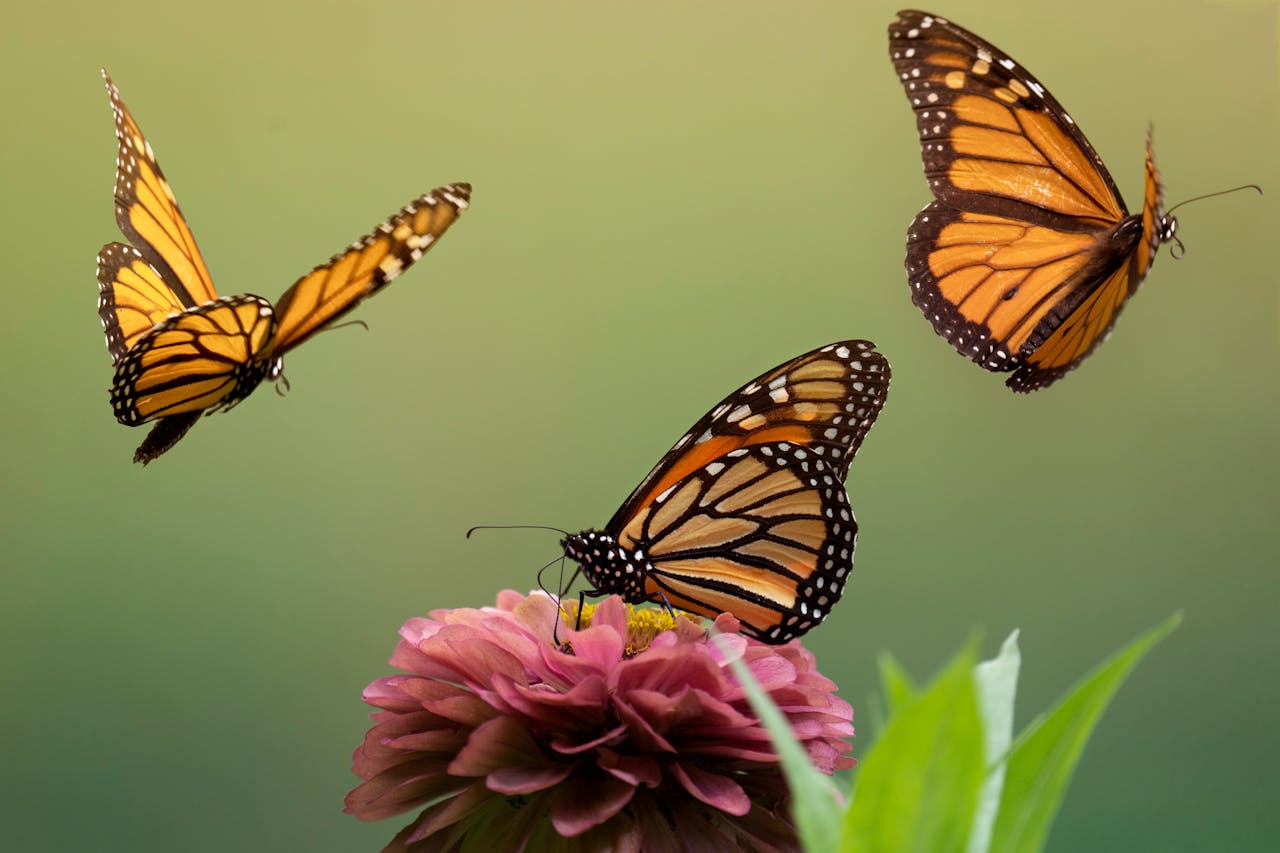
Few things are as enchanting as a garden filled with fluttering butterflies. These delicate creatures not only add beauty to your garden but also play a crucial role in pollination. Here’s how you can create a butterfly-friendly garden that supports these vital pollinators.
1. Choose the Right Plants
Butterflies are attracted to specific plants for nectar and as hosts for their larvae. Planting a variety of nectar-rich flowers such as milkweed, coneflowers, and lantanas will provide a food source for adult butterflies. Additionally, include host plants like parsley, dill, and fennel for caterpillars to feed on.
2. Provide Shelter
Butterflies need shelter from harsh weather and predators. Include shrubs, tall grasses, and small trees in your garden to offer safe resting places. Dense plantings and hedges can also create microclimates that protect butterflies from wind and rain.
3. Create Sunlit Spaces
Butterflies are cold-blooded and need the warmth of the sun to stay active. Design your garden with sunny spots where butterflies can bask. Flat stones and large leaves provide perfect basking surfaces for them to absorb sunlight and regulate their body temperature.
4. Offer Water and Minerals
Butterflies need water and minerals to thrive. Create a shallow water source by placing a dish with wet sand or gravel in your garden. Adding a few flat stones for perching will make it more inviting. This “puddling” station will attract butterflies looking for moisture and nutrients.
5. Avoid Pesticides
Pesticides can be harmful to butterflies and other beneficial insects. Opt for organic gardening practices and avoid using chemical pesticides. Encourage natural predators like ladybugs and birds to keep pest populations in check.
6. Plant in Clusters
Butterflies are more likely to visit gardens with large clusters of flowers rather than scattered single plants. Grouping plants together in clusters makes it easier for butterflies to find food and increases the chances of attracting them to your garden.
7. Add Color
Butterflies are attracted to bright colors, particularly red, orange, yellow, and purple. Planting a variety of colorful flowers will draw butterflies to your garden. Consider using a mix of perennials and annuals to provide continuous blooms throughout the season.
8. Provide Host Plants for Caterpillars
To support the entire butterfly lifecycle, include host plants for caterpillars. Different butterfly species have specific host plants, so research which butterflies are native to your area and plant accordingly. For example, milkweed is essential for monarch caterpillars.
9. Create a Diverse Habitat
A diverse garden with a mix of trees, shrubs, flowers, and grasses will attract a wider variety of butterflies. Each species has different preferences, so providing a range of habitats will make your garden more inviting to a larger number of butterfly species.
10. Be Patient
Creating a butterfly haven takes time. It may take a few seasons for your garden to mature and for butterflies to discover it. Be patient and consistent with your efforts, and eventually, you’ll be rewarded with a vibrant, butterfly-filled garden.
Conclusion
Transforming your garden into a butterfly haven is a rewarding way to contribute to local biodiversity and enjoy the beauty of these graceful creatures. By selecting the right plants and creating a welcoming environment, you can attract butterflies and support their crucial role in pollination. Visit Coolplants Nursery in Johannesburg North for all your butterfly garden needs and expert advice.
“Enjoyed these tips? Visit our blog regularly for more insights on creating wildlife-friendly gardens, and don’t forget to stop by COOLPLANTS NURSERY for all your gardening supplies and inspiration!”