Creating a garden that attracts and supports local wildlife is a rewarding way to bring nature closer to home. A wildlife-friendly garden not only adds beauty and biodiversity but also helps sustain local ecosystems. Here are some tips to transform your garden into a haven for birds, bees, butterflies, and other wildlife.
1. Plant Native Species
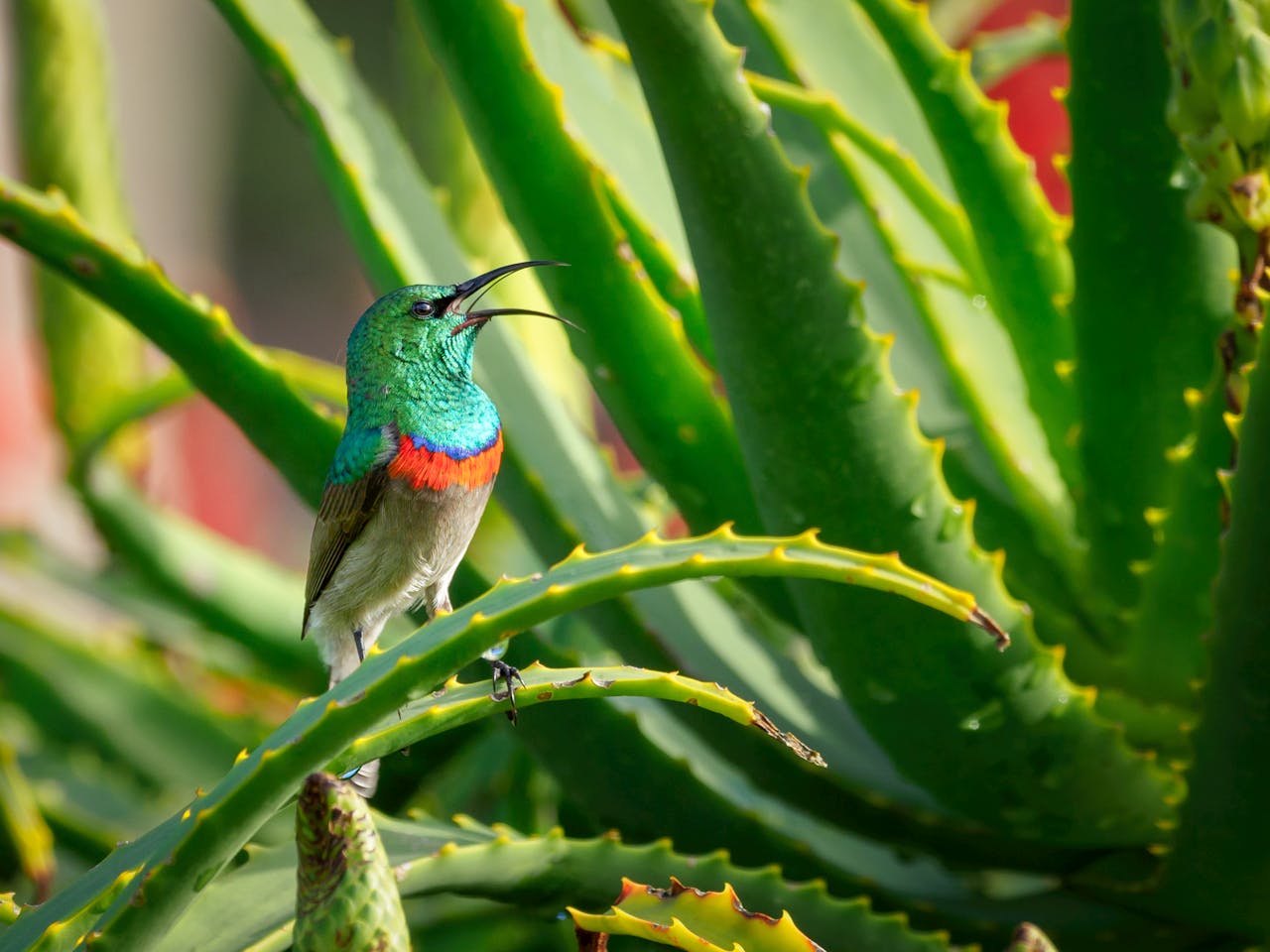
Native plants are the foundation of a wildlife-friendly garden. They provide the food and shelter that local wildlife needs to thrive. In Johannesburg North, native plants such as Aloe, Agapanthus, and various grasses can attract birds, insects, and other animals. Coolplants Nursery offers a variety of native plants that are perfect for creating a sustainable garden ecosystem.
2. Provide Food Sources
Different types of wildlife require different food sources. Plant a variety of flowering plants to provide nectar for bees and butterflies. Include berry-producing shrubs and trees for birds. You can also add feeders with seeds, nuts, and suet to attract a range of birds throughout the year.
3. Create Shelter and Nesting Sites
Wildlife needs safe places to rest and nest. Incorporate shrubs, trees, and dense plantings to provide cover for birds and small mammals. Install birdhouses, bat boxes, and insect hotels to offer additional nesting sites. Piles of rocks, logs, and leaves can create habitats for insects, amphibians, and small mammals.
4. Provide a Water Source
A reliable water source is essential for attracting wildlife. Install a birdbath, small pond, or shallow dish filled with water to provide drinking and bathing spots for birds, insects, and small animals. Ensure the water is clean and refreshed regularly to prevent stagnation.
5. Avoid Pesticides and Chemicals
Using pesticides and chemicals can harm the wildlife you’re trying to attract. Opt for organic gardening methods and natural pest control solutions. Companion planting and encouraging beneficial insects can help manage pests without harming the ecosystem.
6. Plant a Variety of Flowers
Plant a diverse range of flowers to ensure continuous blooms throughout the year. This provides a consistent food source for pollinators like bees and butterflies. Choose plants with different flower shapes and colors to attract a variety of pollinators.
7. Create a Wildlife Corridor
If possible, create a wildlife corridor by connecting your garden with nearby green spaces or other gardens. This allows animals to move safely between habitats, promoting biodiversity and providing more resources for wildlife.
8. Compost and Mulch
Composting and mulching can improve soil health and provide habitat for beneficial insects and microorganisms. Use organic compost to enrich your soil, and mulch with leaves, straw, or wood chips to retain moisture and support soil-dwelling creatures.
9. Involve the Community
Engaging with your local community can enhance your efforts to support wildlife. Join or form a local gardening club, participate in community garden projects, and share your knowledge and experiences with neighbors. Coolplants Nursery regularly hosts events and workshops in Johannesburg North, fostering a community of environmentally conscious gardeners.
10. Educate and Inspire
Share the importance of wildlife-friendly gardening with others. Educate your family, friends, and neighbors about the benefits of supporting local wildlife. Inspire them to make their own gardens wildlife-friendly, contributing to a larger network of habitats.
Conclusion
Creating a wildlife-friendly garden is a fulfilling way to connect with nature and support local ecosystems. By following these tips, you can transform your garden into a vibrant sanctuary for wildlife. Visit Coolplants Nursery in Johannesburg North for all your gardening needs and expert advice on creating a wildlife-friendly garden.
Enjoyed these tips? Visit our blog regularly for more insights on creating wildlife-friendly gardens, and don’t forget to stop by COOLPLANTS NURSERY for all your gardening supplies and inspiration!